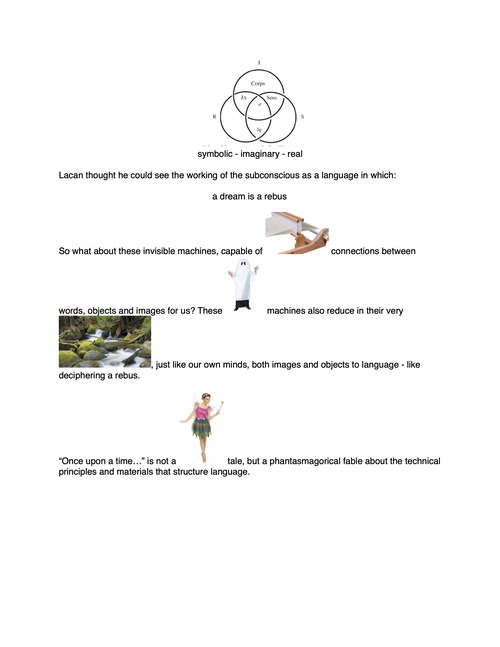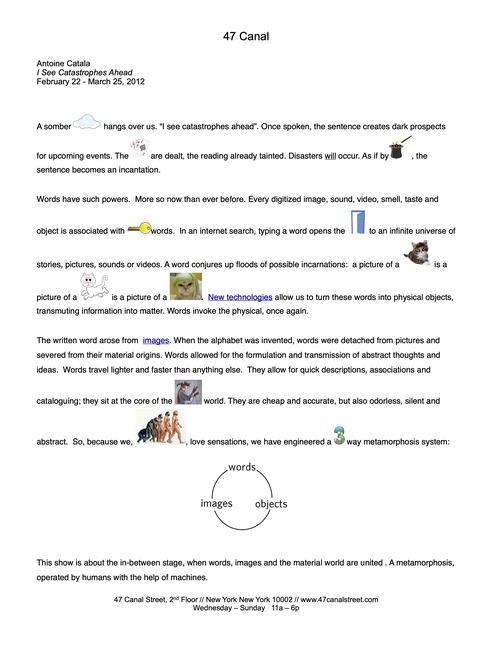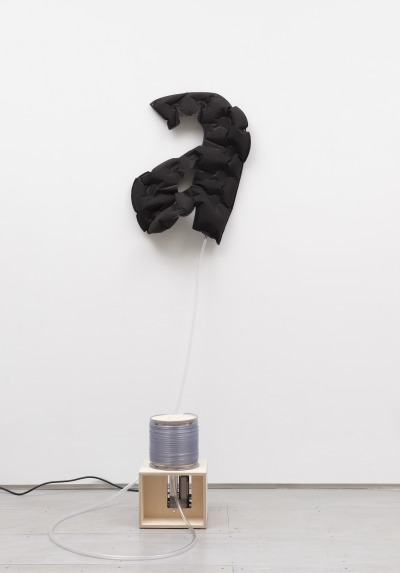
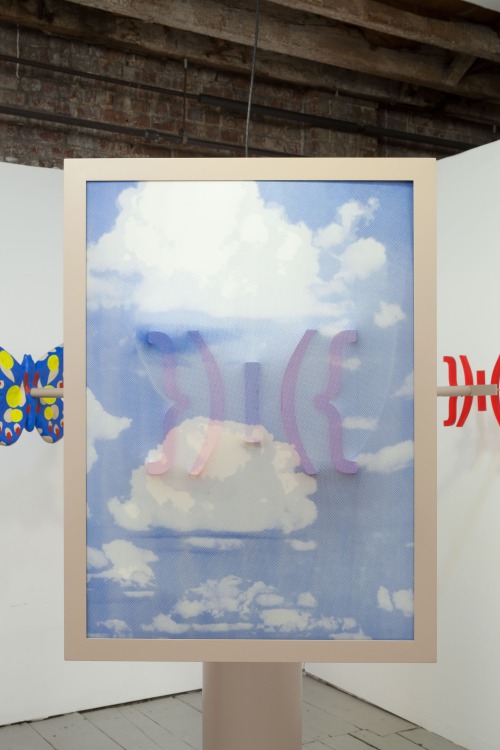
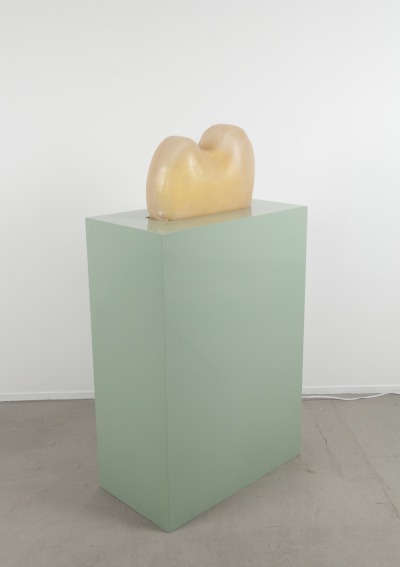
_AC-25-SC-120_detail_2.jpg "I love you, I love you")
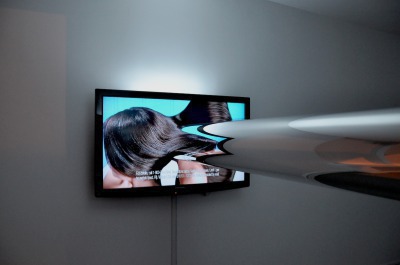
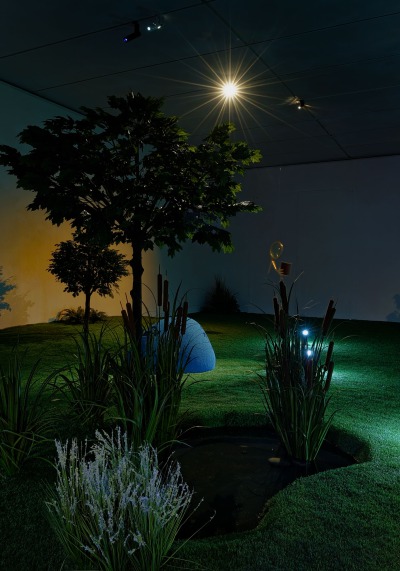
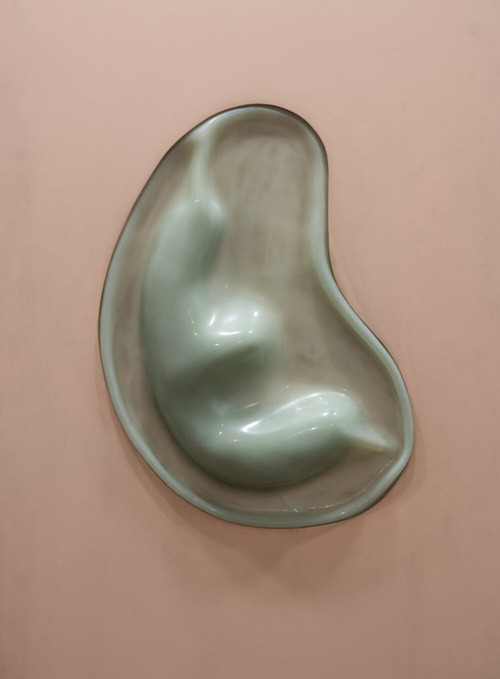
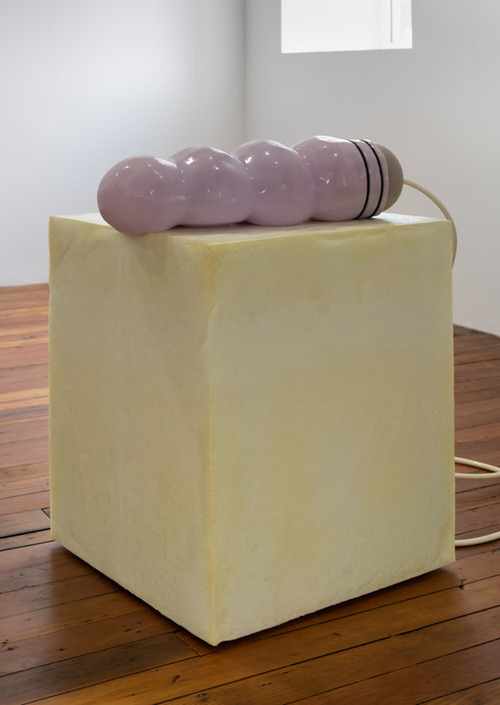
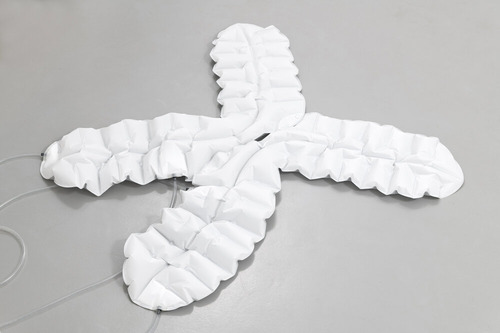
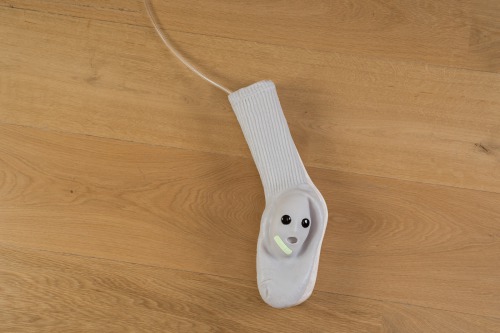
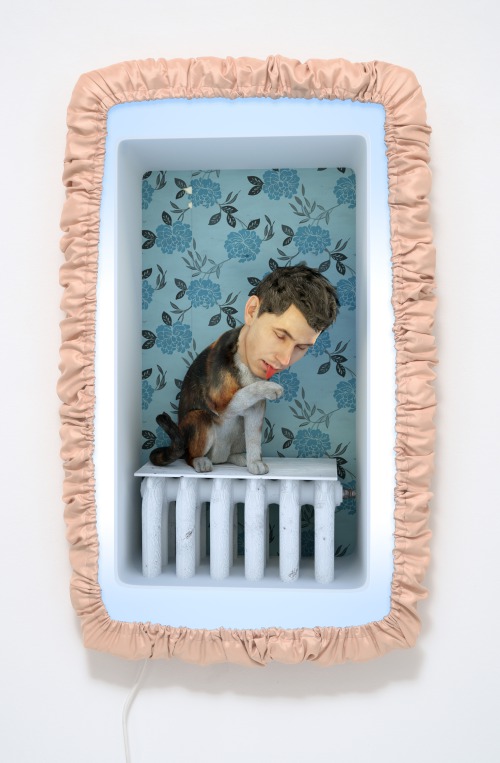
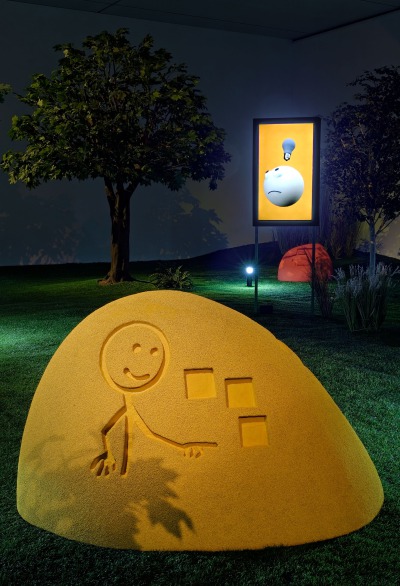
_1.jpg "Everything Is Okay")
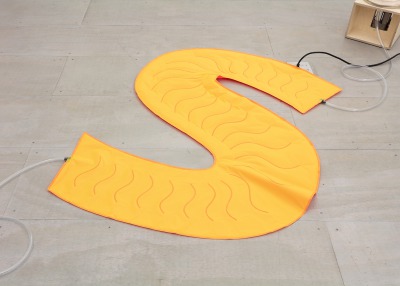
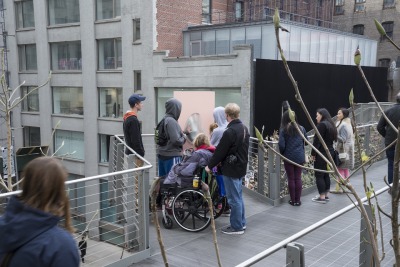
_AC-25-SC-121_2.jpg "I love you, I love you")
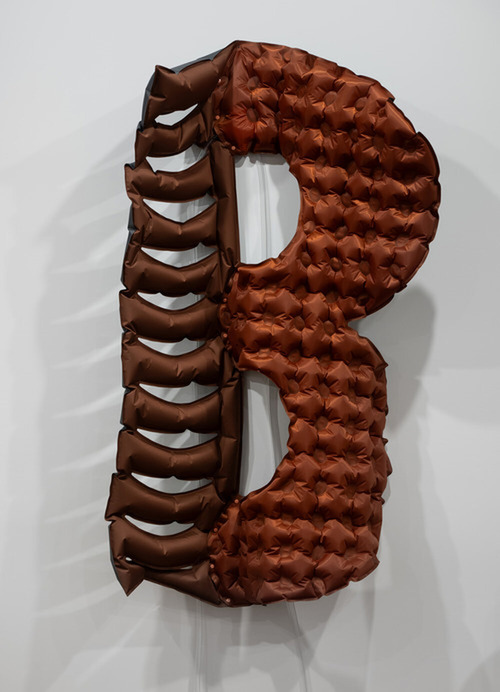
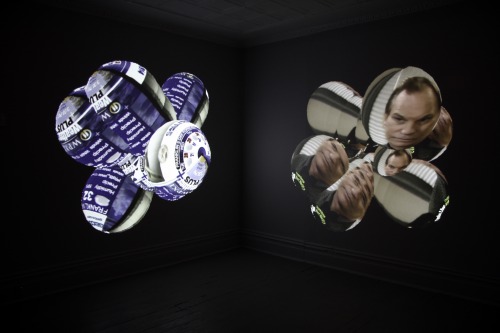
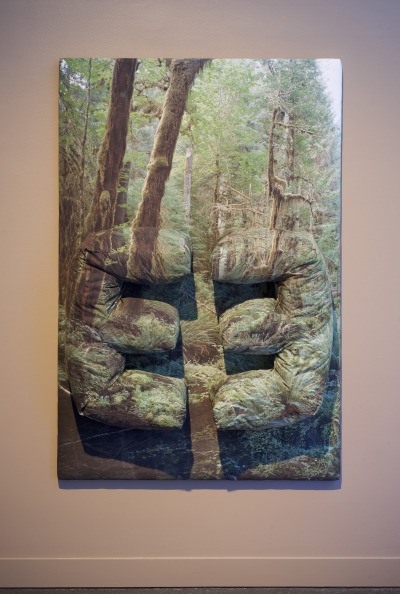
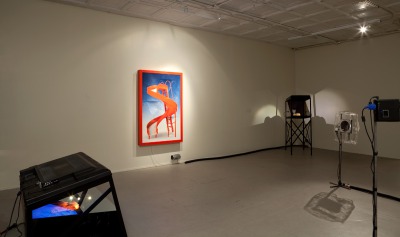
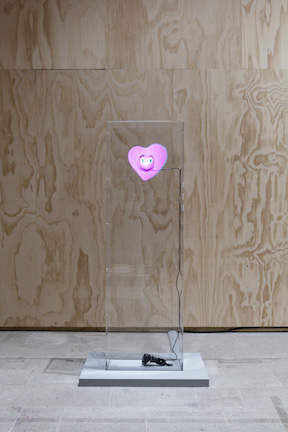
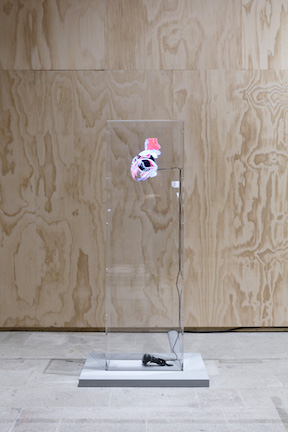
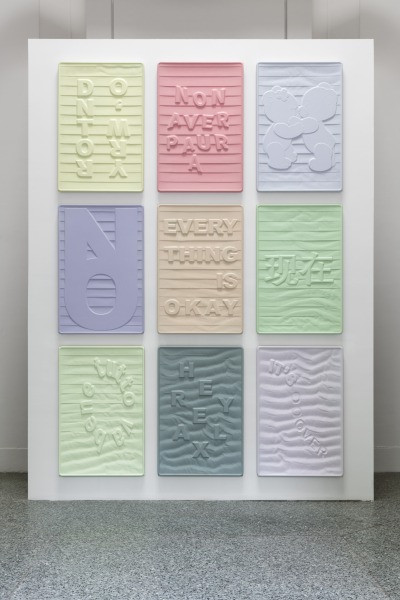
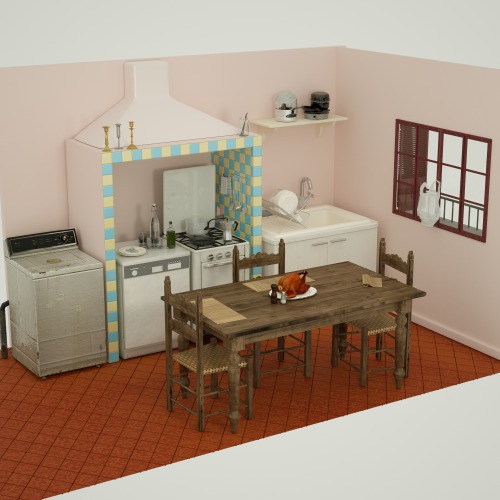
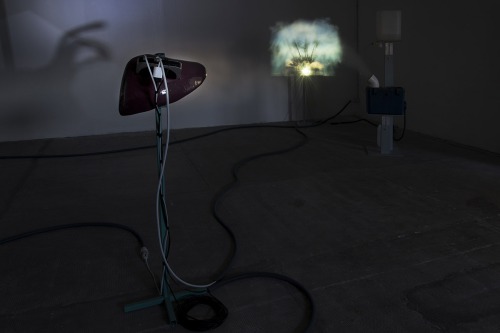
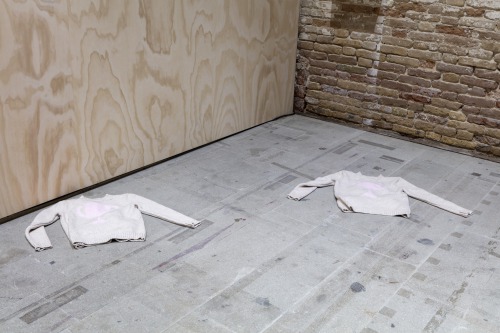
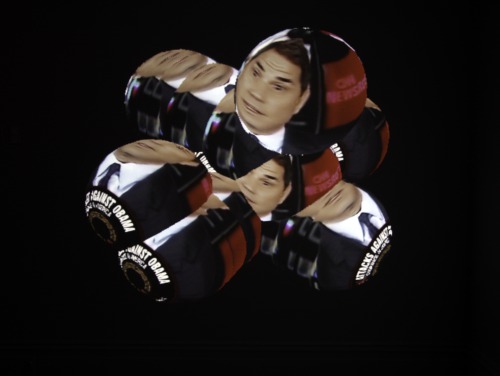
_1.jpg "T-Shirt")
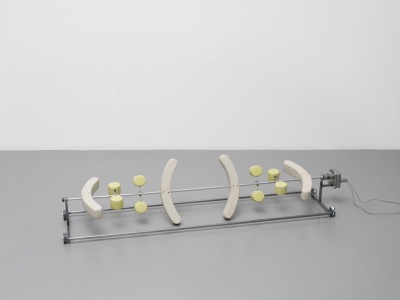
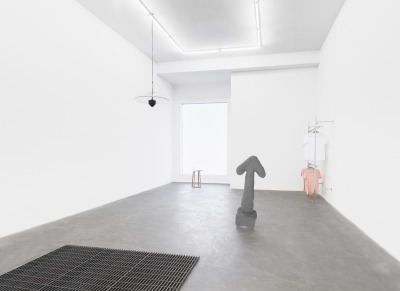
_AC-25-SC-123_detail_1.jpg "Penis & Hearts")
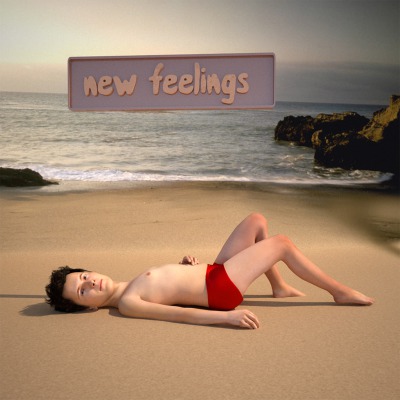
2_1.jpg "feelings feelings")
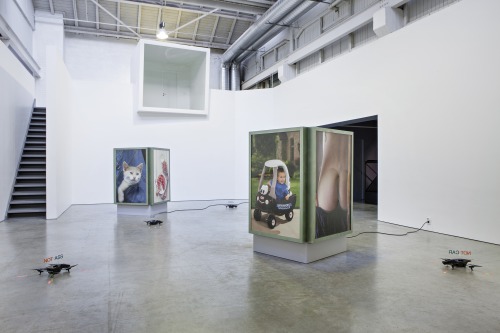
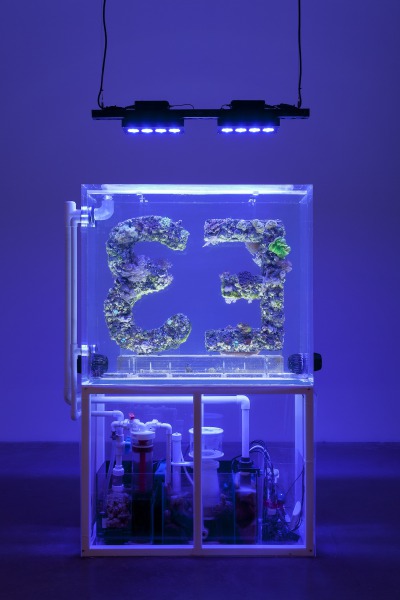
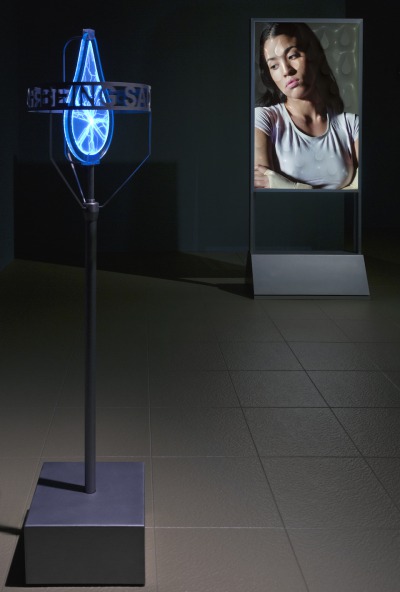
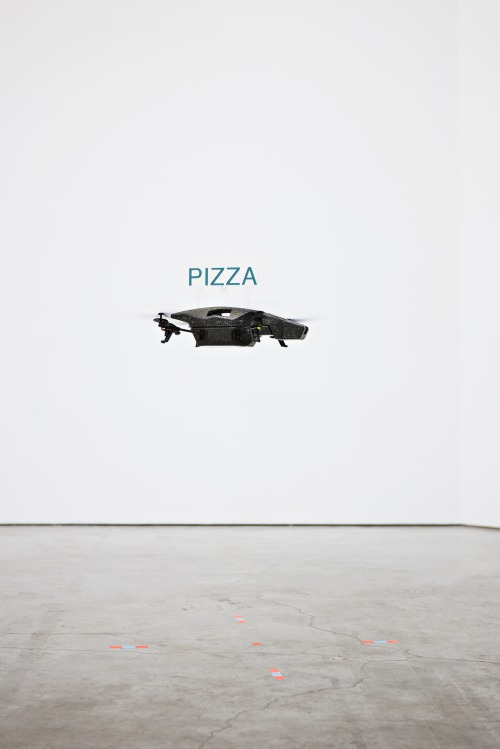
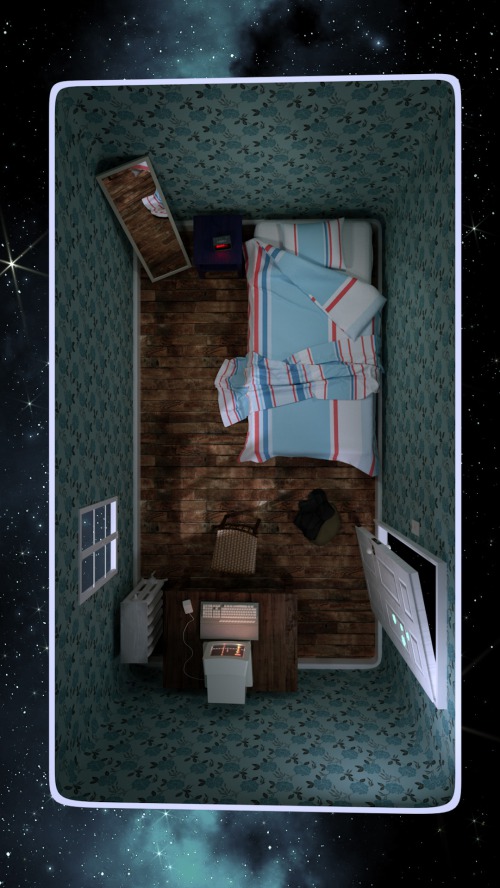
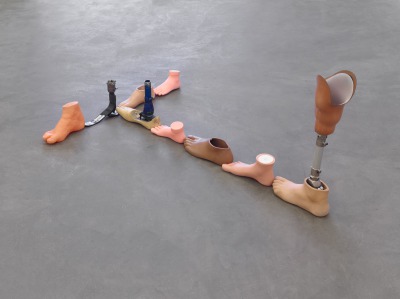
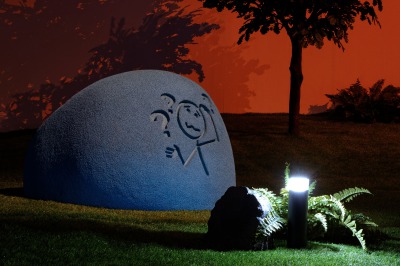
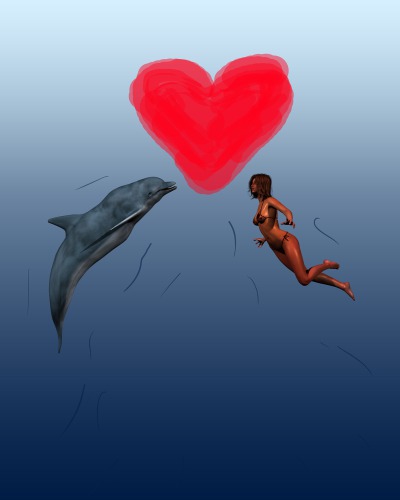
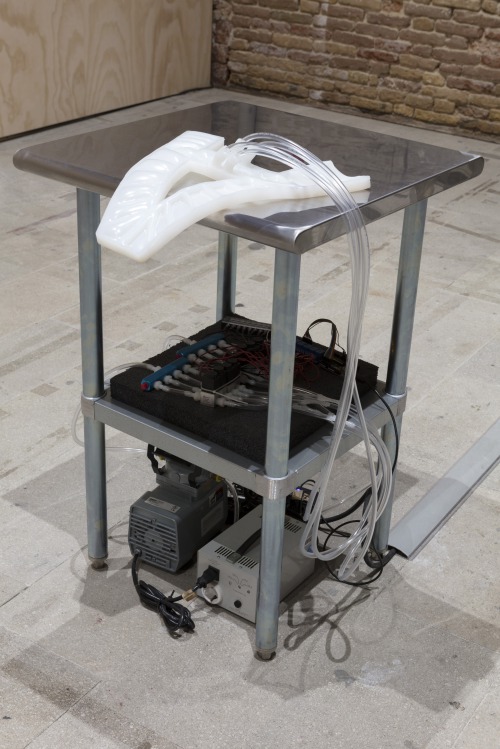
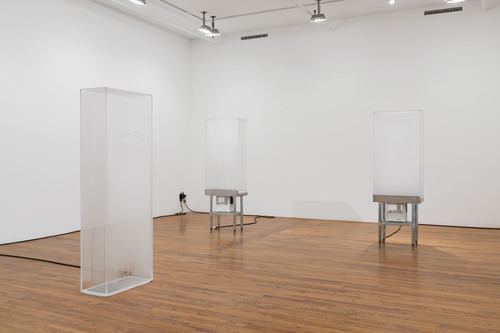
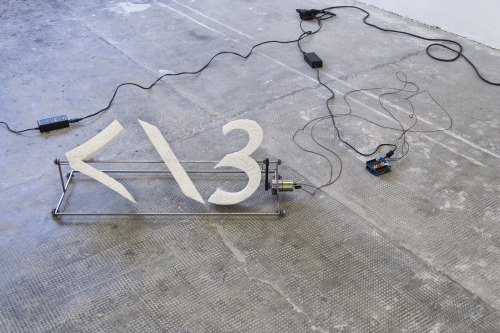
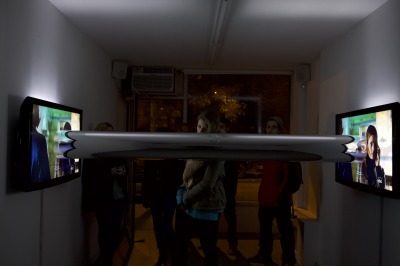
_1.jpg "Don't Worry")
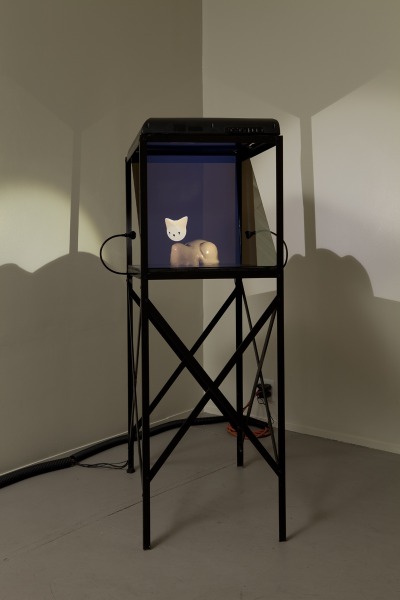
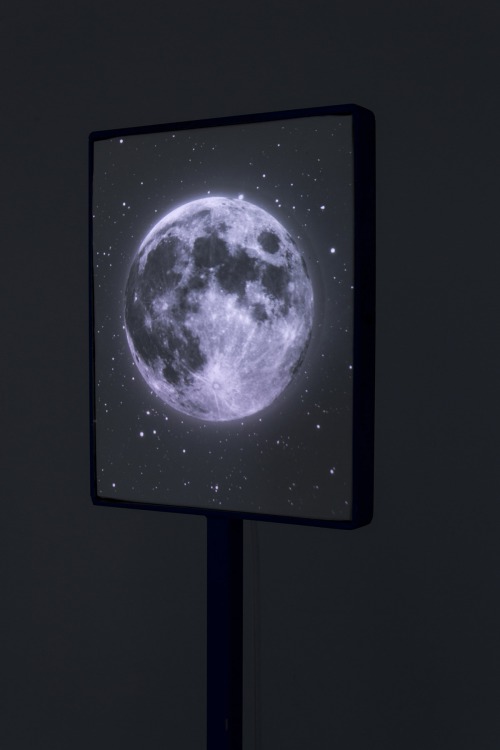
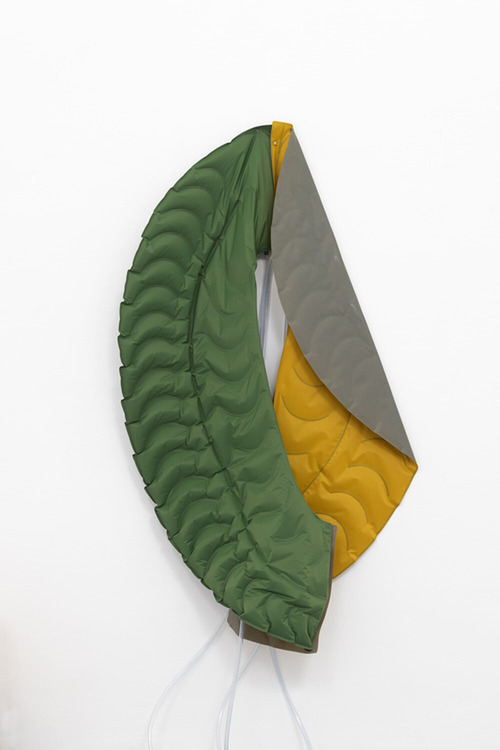
.jpg "T-Shirt")
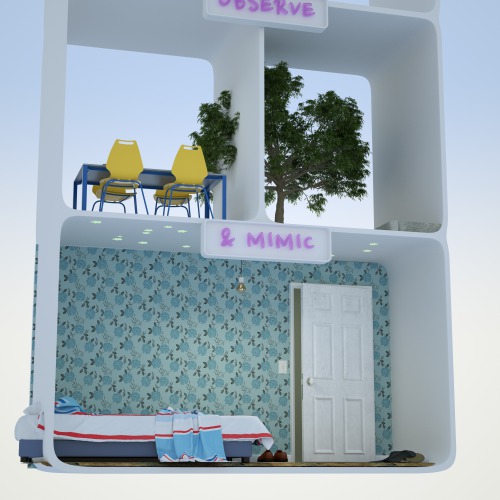
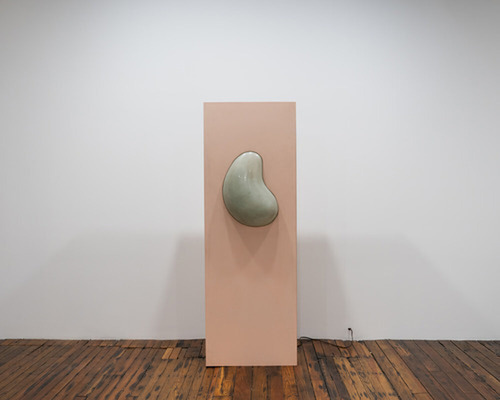
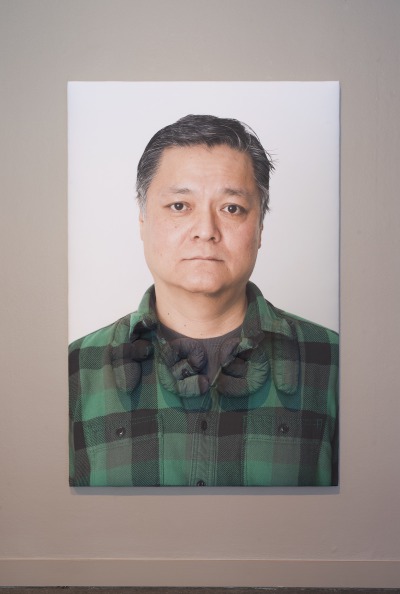
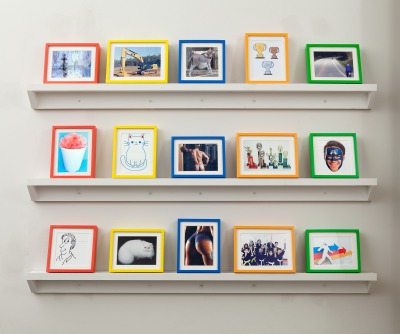
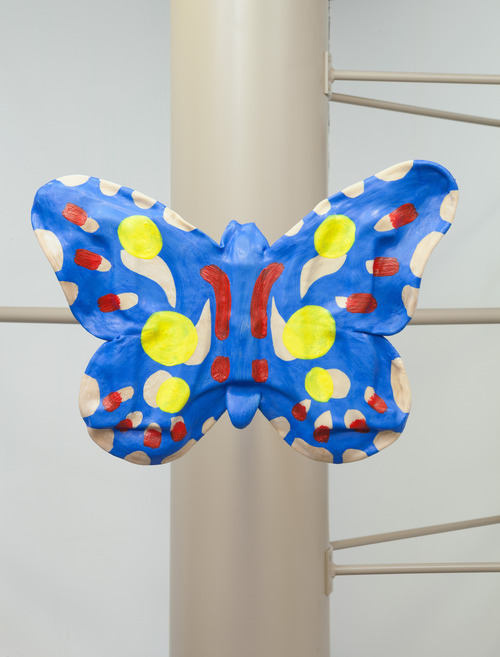
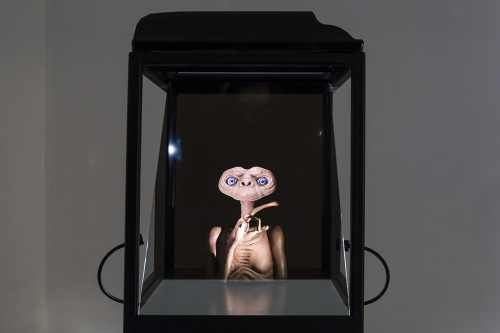
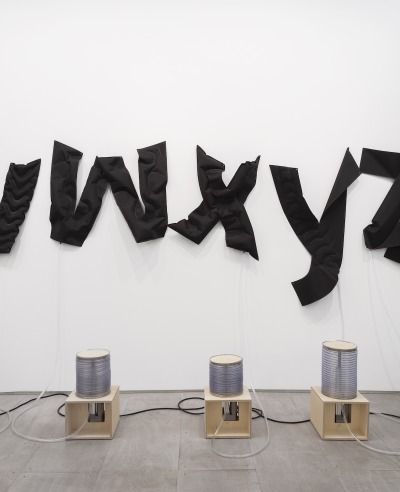
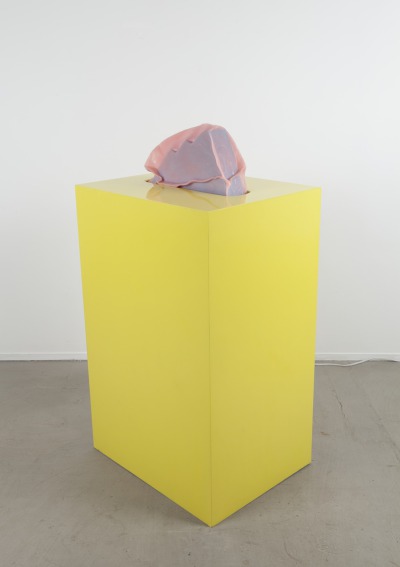
(AC-17-SC-067).jpg "Plastic Bag")
Antoine Catala
1.646.339.2857
544 Park Ave
Unit 312
Brooklyn, NY
[galleries]
47 Canal, NYC
Galerie Christine Mayer, Munich
[solo exhibitions]
I love you, I love you @ 47 Canal
Babble Babble @ Art Hall
alphabet @ 47 Canal
PACKAGING OR ENVELOPES. ALL FEELINGS DISINTEGRATE UP CLOSE. @ Praz-Delavallade Los Angeles
Everything is Okay: Season 2 @ Marlborough Contemporary London
Everything is Okay @ 47 Canal
Theory of Mind @ Galerie Christine Mayer
Jardin Synthétique à l'Isolement @ Musée d'Art Contemporain de Lyon
Distant Feel @ Carnegie Museum of Art (website) (website)
New Feelings @ 47 Canal
Heavy Words @ Peep-Hole
Image Families @ UKS
TV @ Galerie Christine Mayer
I See Catastrophes Ahead @ 47 Canal
Topologies @ AVA
TV Show @ 179 Canal
Couple in a Garden @ Tony Wight Gallery
[two person exhibtions]
At Christine's (with Erika Landström) @ Galerie Christine Mayer
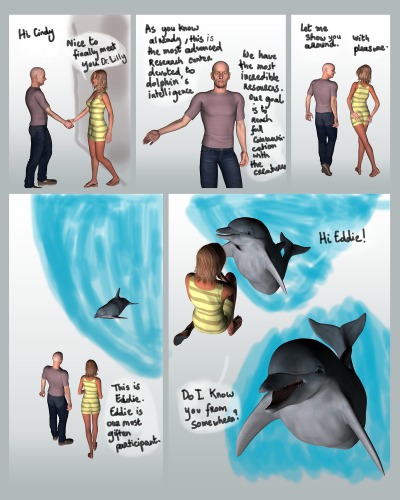
A Dolphin Smile (and More) - with a story by Dan Graham @ 3A Gallery
[group exhibtions]
Vasos Comunicantes @ Galeria GAM
For Children @ Haus der Kunst
Meridian @ Below Grand
Emotional Intelligence II @ Polina Berlin
Casa Ideal @ Proyectos Multiproposito
The Patriot @ O'Flaherty's
Fata Morgana @ Jeu de Paume
Piégé.e.s inexorablement dans la formulation d’une emotion @ galerie Hussenot
Diaries: Era of Good Feelings
Art in the Age of Anxiety @ the Sharjah Art Foundation
Wenn die Kastanien blühen @ Galerie Christine Mayer
Won't You Be My Neighbor @ Nathalie Karg Gallery
Real Feelings @ HEK
CHRONIQUE DU TROUBLE : SOLOS @ GALERIE LES FILLES DU CALVAIRE
Goldie's Gallery @ Galerie Christine Mayer
Being Human, Wellcome Collection
May You Live in Interesting Times @ La Biennale de Venezia
Artist Use Photography @ Praz-Delavallade Los Angeles
Nam June Paik Award @ Westfälischer Kunstverein
Virtual Insanity @ Kunsthalle Mainz
I Was Raised on the Internet @ Museum of Contemporary Art Chicago
Island Of Lost Souls @ Galerie Christine Mayer
The Riga Photography Biennial 2018
Art in the Age of the Internet, 1989 to Today @ The Institute of Contemporary Art in Boston
Happy New Year 3A Gallery @ 3A Gallery
Commodification of Love @ Kamel Mennour
Suspended Animation @ Les Abattoirs
EXO EMO @ Greene Naftali (curated)
Sea, Sex and Sun @ Galerie Christine Mayer
Home Economics
Mood Swings @ frei_raum
Cyborg Dreams @ 83 Pitt St.
Emobot (teacher) @ Baltimore Museum of Art’s Fox Court
Commercial Break @ Public Art Fund (website)
Happy Ending @ Frac-Champagne-Ardenne
Suspended Animation @ Hirshhorn Museum
Stranger @ Museum of Contemporary Art Cleveland
Electronic Superhighway @ Whitechapel Gallery
Collected by Thea Westreich Wagner and Ethan Wagner @ Whitney Museum of American Art
Co-Workers: Beyond Disaster @ Bétonsalon
Six Advertisements @ Marlborough Gallery
WORKS ON PAPER @ Greene Naftali
Hot Town, Summer in the City @ Galerie Christine Mayer
Hybridize or Disappear @ Câmara Municipal do Porto
The Slick & The Sticky @ Various Small Fires
SURFACE SUPPORT @ Signal
Mirror Stage: Visualizing the Self After the Internet @ Dallas Museum of Art
Hybridize or Disappear @ Museu Nacional De Arte Contemporânea Do Chiado
Distant Feel as part of Surround Audience @ New Museum (website) (website)
The Future of Memory @ Kunsthalle Wien
Freezer Burn @ Hauser & Wirth NYC
Puddle, pothole, portal @ Sculpture Center
In Real Life @ Christine König Galerie
In the Crack of the Dawn @ POOL, LUMA/Westbau
No Games Inside the Labyrinth @ Galerie Barbara Weiss
Summer Show @ Galerie Christine Mayer
Phantom Limbs @ Pilar Corrias
Paradise/ A Space for screen addiction @ Leclere-Maison de ventes
Some Artists Artists @ Marian Goodman
Archeo @ High Line
Daemon @ RAW
DISOWN @ DIS
5X5Castello 2013 @ Espai d´art contemporani de Castelló
Empire State @ Thaddeus Ropac
New Western Art @ Deutschen Staadttheater Temeswar
MIND RVIDXR @USC Roski School of Fine Arts
Expérience Pommery #11 "Une Odyssée : les 30 ans du FRAC Champagne-Ardenne"
Speculations on Anonymous Materials @ Fridericianum
I'll Be Your Mirror @ Herald Street
Meanwhile... Suddenly And Then @ 12th Lyon Biennale
The Cat Show @ White Columns
If I had asked people what they wanted, they would have said faster horses @ Galerie Christine Mayer
ProBio @ PS1
antibody @ lisa cooley
Empire State @ Palazzo delle Esposizioni
The Pathos of Things @ Carriage Trade
Version Control @ Arnolfini
The Room @ Loyal
The Dark Cube @ Palais de Tokyo
Things, Words and Consequences @ Moscow Museum of Modern Art (images)
Date 2024 @ Paper Monument
Bulletin Boards @ Venus Over Manhattan
Standard Operating Procedures @ Blum and Poe
Public Relations @ Night Gallery
Summer Show @ Galerie Christine Mayer
How to Download a Boyfriend @ Badlands Unlimited
Surface/Affect @ Miguel Abreu Gallery
Entrance, Entrance @ Temple Bar Gallery
Minstrel and Chronicles @ Hannah Barry Gallery
Le Language des images @ the school
Tro-Pi-Cal @ Akerhus Kunstsenter
Looking Back / The 6th White Columns Annual @ White Columns
Perfect Man II @ White Columns
New Silent Series @ The New Museum
The New Psychedelica @ MU
179 Canal/Anyways @ White Columns
Antler Necklace @ Half Dozen
TV @ PICA TBA 09
Vertical Portraits for Vertical Televisions @ Cooley Gallery
*Magic Jackpot* @ Galerie Christine Mayer
Nobodies New York @ 179 Canal
Time-Life Part 2 @ Taxter and Spengemann (part curated)
Vegetables for Breakfast @ Mountain Fold Gallery (curated)
How Do You Are @ Les Grandes Traversées
Predrive: After Technology @ The Mattress Factory
Workspace @ Galerie Christine Mayer (curated)
Mystery of the Invisible Clock @ Karyn Lovergrove
New Dark Age @ Hats Plus Gallery
Playback @ Musée D'Art Moderne de la Ville de Paris
Action Adventure @ Canada Gallery, New York
Portrait of the Artist, Kurdish & Turkish Community Center, London, England
[writing & interviews]
Bomb Magazine with Dan Graham
Damn Magazine with Cristina Guadalupe Galván
Brooklyn Rail with Barbara London
Zoo Magazine with Kendra Beltran
Yale Radio with Brainard Carey
Dance Lawyer Interview of Susannah Yugler
[websites]
understand.nyc
understand.nyc/relationships
distantfeel.com
distant feel hosted on dis magazine
uglysticker.com
Interview with Trevor Shimizu
Trevor Shimizu:
Where did you grow up?
Antoine Catala:
In Tunisia, Nigeria, Australia and Singapore. After my parents divorced when I was 5, my mother moved near Toulouse for some time and then to Toulouse, where I lived with my mother and sister for the most part, until I was 23 years old.
Trevor Shimizu:
Tell me a little about the place, to give me a sense of the area.
Antoine Catala:
Toulouse is called the pink city, because the roofs are made of bricks, and from a plane the city looks pink –though I always thought that claim was dubious because the roof tiles really are red. It’s the 5th most populated city in France, with a massive student population and the home of Airbus, the airplane. It’s friendly and petit bourgeois, one of the most agreeable cities in France to live in, everything being a short walk away. I didn’t have the best time there though, I always felt like a misfit, being, for one, taller than most people there. Things got better after I met my friend Olivier in High School, I found a family of misfits. Toulouse is close to Spain, a 3 hour car ride north of Barcelona. It’s an hour drive to the sea and one hour away from the mountains. The streets are windy and narrow to create shadows that protects from the summer heat. There is dog and pigeon shit everywhere.
Trevor Shimizu:
What did your parents do?
Antoine Catala:
My dad was an engineer for an oil “measurement” company. He invented things all the time, for instance he patented gear while being on a trial job for the company, all the way towards the end of his life. Very inventive. I found out only after he died how inventive he was, as he never shared anything. He died when I was 24, he wasn’t even 50. My mother wanted to write, but she sold encyclopedias door to door for a while and finally settled for a civil servant position for the Ministry of Youth and Sport. She wanted a secure living to raise her two kids. We never missed on anything, but we were not rich. My mother was always anxious about money, though she would hardly ever talk about it.
Trevor Shimizu:
Who is your sister and what was your relationship like?
Antoine Catala:
My sister Sophie is 16 months younger than I am. Irish twins. Very complicit kids, a lot of trouble. My sister, like her mother, is whip smart and hilarious. My sister knew my brain better than anyone else, she would always finish my sentences, much better than I could. Now she has two gorgeous kids, we regularly chit chat on the phone, though sometimes not for months. She was always way more responsible than I am, and people often mistook her for the elder. My mother always said I was furious for a while after she was born.
Trevor Shimizu:
Who was your closest childhood friend?
Antoine Catala:
It depends at what age. Because we didn’t settle until I was 6 years old, I don’t have old, old friends. I remember two, Frederic Lejeloux and Vincent Bellmonte. Frederic’s parents ran a stationary, bookstore and lived in the center of town. Vincent’s mother was from Martinique, a cleaning lady. Vincent never really knew his father. Vincent still sometimes shows up at my mother’s home or work (she adopted everyone). Vincent is in bad shape now, I think he may be homeless and maybe mentally ill. He had a rough childhood.
Trevor Shimizu:
I’m not sure what you mean by Vincent still showing up at your mom’s.
Antoine Catala:
Years and years after I left Toulouse, Vincent would still visit my mother, at home or her work and they would spend time together, maybe have lunch or dinner. She is the one who told me about his degrading condition, how when she last saw him he seemed pretty distraught. My mother would get attached to all kinds of people, Vincent is not the only of our friends (my sister and I) who would visit her after we lost contact or moved out of Toulouse. I remember that one extremely cold winter, when I was 10 or so, my mother hosted a homeless man in our apartment, because she couldn’t bare to see him sleep on the street.
Trevor Shimizu:
What did you do together with your friends?
Antoine Catala:
Frederic, Vincent and I were all friends, though I would hang out mostly with them separately. We would play video games on Frederic’s brother’s Amiga or my Atari STE computer. In middle school, we had a role playing club like Dungeons and Dragons, but cooler. We were total losers.
Trevor Shimizu:
Were you teased?
Antoine Catala:
Yes. But I also felt that people liked me. They teased me to encourage me to be less uptight in a way. Quite French. Still it was painful.
Trevor Shimizu:
Did you read comic books?
Antoine Catala:
Super hero comic books. I would get one every plane ride and back to visit my dad who lived near Paris. I would fantasize about having those super powers, to help me overcome real life problems and be cooler.
Trevor Shimizu:
Did you watch a lot of tv?
Antoine Catala:
Tons, I was glued to the screen and never finished my homework in time because of it.
Trevor Shimizu:
Did you have any pets?
Antoine Catala:
Gloria, the cat, who we called “le chat”. A bright and very talkative siamese cat. And hamsters, but that was a horror show, because we never took care of them. Those were my sister’s. I can’t quite remember what happened to them.
Trevor Shimizu:
Were you a good student?
Antoine Catala:
Straight A’s. Repressed, very anxious. It all fell apart at 16-17. My grades significantly degraded.
Trevor Shimizu:
Did you have a girlfriend or boyfriend before you became an adolescent?
Antoine Catala:
I fooled around, doctor stuff, when I was a kid. I didn’t kiss a girl until I was 15. It was in middle school, in front of the whole school and the TA’s, there were TA’s in middle school, they were cracking up so hard and pointing and me and the girl, after the kiss. I never understood quite why. It was, still feels, incredibly awkward.
Trevor Shimizu:
What did you do together?
Antoine Catala:
It didn’t last long with Sophie. We would talk on the phone.
Trevor Shimizu:
How did you meet your first love interest?
Antoine Catala:
I was in love with Laurence when I was 6, she was a classmate in first grade. Then I decided that love wasn’t worth it and I stopped loving her for one reason or another. She never suspected anything, that I loved her or didn’t, for she and I never really talked. I ran into her a few years ago, I still had butterflies in my stomach.
Trevor Shimizu:
Okay, so back to these works. The narrative is presented as an unresolved loop. Is this relating somehow to science fiction or is this more like a psychological trauma loop?
Antoine Catala:
The main model is Charlie Brown. Little trauma loops, re-enacted like a dollhouse like comic strip. The other model is roman-photo, a type of comic strip made with real photos, often rom-coms. Amazing, under-exploited narrative vehicle. The science fiction comes from the realistic CGI quality of the images and the slow movement. I should add all those environments were re-created from memory. It’s at once real and fake, I use hi-tech yet expose deep human troubles.
Trevor Shimizu:
Not all of them remind me of a looping trauma, but there’s a nice humor to them as well. Your character, for example, is always shirtless and in his underpants. Am I supposed to laugh when I look at him?
Antoine Catala:
The dress code is a loosely borrowed from Mike Smith’s Baby Ikki.
Trevor Shimizu:
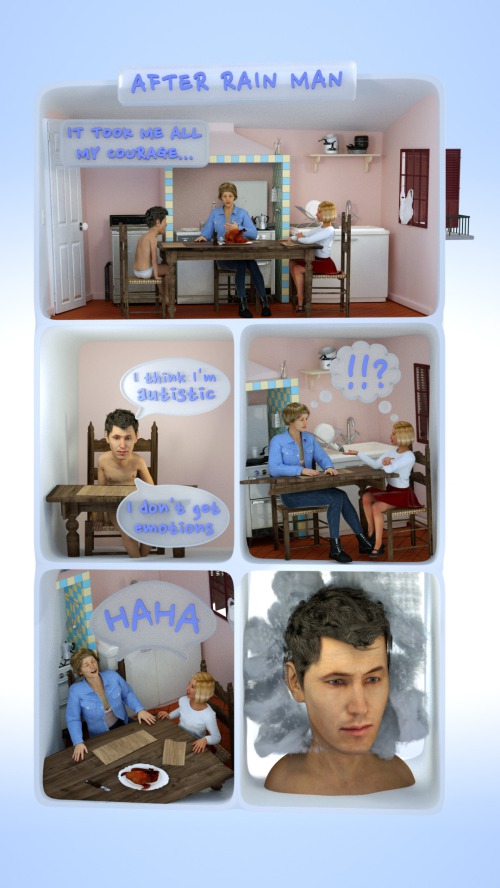
I was wondering about the After Rain Man piece. What is that about?
Antoine Catala:
I specifically remember sitting around the kitchen table, when I was around 13-14 years old, right around the time Rain Man came out. I told mum and sister, without any preface, that I thought I was autistic (whatever it implied to me at the time). They cracked up so much that they had tears in their eyes. I was convinced at the time, and maybe still am, that I was emotionally impaired. That compared to my mother and sister, I was incapable of reading other people’s emotions: I couldn’t understand other people’s thoughts nor feelings. So I set out to learn how to do this. I remember specifically deciding to physically mimic other people’s manners, so as to physically enact what they thought or how they felt, like an actor going through the motions to understand what thoughts it triggered.
The work is about this journey to learn feelings, a journey I am still on. As a foreigner living in New York, I don’t feel people express their emotions the same way as in France. It’s something a lot of foreigners share about the U.S.. I see a parallel between me as a teen, my position as a foreigner and the notion that new communication habits developed with symbiotic technologies like smartphones have deep impact on how people feel about themselves and the world.
Trevor Shimizu:
Is there a play on image and text with the cat piece? What are you looking at on the computer?
Antoine Catala:
I am not sure I understand the first question. I am playing video games. I think a strip poker game, where a girl would get undressed when I won. Really erotic, pixelated nudes.
Trevor Shimizu:
I guess I found this image a little erotic. The way the cat is on your lap and there’s something on the computer that might be porn.
Trevor Shimizu:
What do you think about Scientology?
Antoine Catala:
I am not very impressed by L. Ron Hubbard, he looks quite disturbed and nasty.
HARD FEELINGS / CYBORG WORDS
The symbiotic machines started accumulating data on the people that used them. Heart rates, GPS coordinates, pictures, conversations, videos, sleep patterns, ingested calories, social interactions, Internet searches … desires, thoughts, biorhythms. And the greedy utopians who wanted to better the lives of inter-connected global village inhabitants pushed the machines to collect more data every day. The machines got to know you better than anyone else, better than your parents, down to your darkest fantasies.
These machines, the mainframe computers that gathered all the collected data, operated by the techno-commercial conglomerates, started to churn out goods and services precisely tailored to each individual. Individually tailored food, clothes, playlists and romances. Imagine that in this world of custom consumerism a new product were to come to market: a portable piece of equipment that could print out small feelings-objects for every moment of your life.
-“I feel a little strange. Look, it has legs, the body is square with what looks like, what … caramel, gooey caramel-like paste inside. I’ve never seen anything like it before.”
She was talking about the new print that came out of her feelings printer. A neat little device that analyzed her feelings and in return printed out small, odd objects meant to represent her emotions. The printer would trigger a print whenever the machine deemed the feelings interesting enough to output. Designed by hacker communities, the printers were cheap to buy and operate, yet could output a wide variety of materials, liquid or solid. As a result the prints were often strange looking. This one was truly peculiar.
-“Why don’t you get one?”
-“What? A printer?”
We had been talking about the death of her father and our nascent relationship—we had just met As we were talking, the result came out of the device. The printer followed a specific algorithm, tuned to each individual. The output’s shape and materials was based on one’s emotions, their complexity and intensity. The printed feelings, the object, looked different each time. Our conversation digressed.
-“Yeah. Why don’t you get one?”
-“I don’t see the need for it. I am already woken up when I need to be—because my sleep patterns are processed by my alarm clock—and my email provider automatically books my travel plans by skimming through my emails. I receive new music daily. I get constant suggestions for new restaurants that I end up loving. The machines already know me really well and cater to all my needs. So really, I don’t get your feelings printer, because frankly I don’t need it.”
-“But what you describe is companies catering to your needs. It’s horrible that a company comes up with anything you want before you even know you want it.”
-“I have no problem whatsoever with corporations coming up with goods for me. It’s all great stuff. As long as the machines’ algorithms figure out what I want and do it right. It’s like being an infant again. I am fed, dressed and kept entertained, effortlessly. I want to live like a baby forever!”
-“But you’re missing out on expressing what you want, on addressing your desires and feelings. You cannot possibly let machines run by corporations do that for you! This infantilization is a real problem. Machines sit at the center of all human interactions. I speak through a machine that then talks to you.”
-“What do you mean? We are not talking through a machine now.”
-“I don’t mean you and me now; I mean that machines—as in smart phones, computers, tablets, smart watches, you name it—are used to transmit most conversations, video, voice or text-based. Only on a few occasions the machines are not the mediators. And even then, when that’s not the case, when the machines seem silent, they’re still harvesting.”
-“So what? We live surrounded by machines that eavesdrop on us? The data these machines collect are used, amongst other things, to predict what people want. But your printer is no different than what the corporations already do. Your printer still spies on people. The feelings printer works very much like my music provider, except instead of giving me things I want, like music, your printer outputs something that I don’t care about, some small object made out of half caramel, half metal. It’s basically useless. As expressing my moods, like I said, the music I am sent daily reflects my mood just fine, and so does this custom T-shirt I am wearing. The items that the machine-corporations—or whatever you want to call them—offer me, suit me perfectly well.”
-“They fill a void. These items, the goods or services you’re talking about are real and tangible, but they are just things that fill a gap. My feelings printer expands on this void. The printer is not looking to plug the void. The feelings-objects it prints are strange, open and left to interpretation. They are opaque, unlike the goods that corporations feed you.”
-“What do you mean?”
-“The void is important. It’s a necessary self-discovery tool.”
-“What void are you talking about?”
-“The endless deficiency that obsessive consumerism generates. The insatiable hole that one can never fill up.”
-“Hang on … so you see your feelings printer as some kind of social tool?”
-“Yes, an educational role of some sort. You and I can talk about this weird object that comes out of the printer, this caramel goo with spider legs. When we talk about it, we talk about feelings. That’s why it is important for the printer’s output to be an object and not a perfume for instance. There must be something tangible to talk about or talk through. There is a trick that child psychiatrists use when they consult children who are able to talk but refuse to–because kids don’t go to the shrink of their own volition. Kids sometimes don’t want to talk, or they have speech blockages. One thing shrinks do in these cases is to hand the kid a toy plastic phone. The shrink grabs one too and the two strike up a conversation. The kid who was reluctant to talk gets going. He or she talks through the phone to the shrink. It’s a transference phenomenon. This is pretty much what the feelings printer is about: It is a transference device in today’s world.”
-“Hmm … but why do you think people need to talk about their emotions?”
-“Because the more you talk about feelings, the more you know feelings. One can argue that new communication technologies allow people to be freer, to discover themselves. I would argue the exact opposite, that the vast majority of the population is losing touch with their emotions, and everyday a little more. I know that this is not a representative sample by any means, but my friend Shana, for instance, every time I ask her how she feels, she replies, “I don’t know.” And if I ask her, “You don’t want to tell me how you feel, or you really don’t know how you feel?” She replies, “I really don’t know.” She’s not the only person around me like that. People are numb. People lack a certain form of empathy, or at the very least basic interpersonal communication skills.”
-“Well, for sure, your friend Shana does sound like she is not in touch with her feelings. But that could be something else all together. Your friend sounds like she is affected by alexithymia–the difficulty of people to perceive and describe emotions of others and themselves. Alexithymia supposedly affects about ten percent of the population, in various degrees. It is linked to autism. I know of alexithymia because a friend of mine was diagnosed with it.”
-“I didn’t know about alexithingy.”
-“Nobody does strangely. And by the way you can count me as one of your detractors. I think these new technologies do liberate people to become freer, to explore who they truly are. That’s because the machines know of people’s desires. The machines encourage people to express their true nature. But I hear your point though. I too have heard that same complaint, that people are not that good at dealing with emotions. It’s clearly debatable because how do you measure feelings in people? What is the metric for feelings and their expression? Let’s say for the sake of this conversation that it’s true: let’s say that people are losing touch with their emotions. What is really the problem with people losing touch with their feelings?”
-“What do you mean, what’s the problem? Are you kidding?”
-“No, I am serious. What’s the problem with people losing touch with their emotions? Or another way to ask this question: How do you think it happened that people lost touch with their feelings?”
-“How it happened? How did people lose touch with their feelings? There are many factors combined. You could write the scenario like this: first people got plugged into machines. They saw the world through machines, they talked through machines and now the people desire through machines. Machines have developed palliative capabilities, they can think and feel for people. But this is not the problem. The assistive technology we are talking about—the technology that enables the machine-corporations to come up with a T-shirt that you want without you even saying that you want it—was designed here in the US and is grounded in Protestant puritanism. I believe that technologies, or rather the underlying concept behind each new technology are firmly grounded in the remnants of creepy religious morality. It makes sense that the underlying repressive forces of religion also operate through technology, especially technology used to communicate. It may be a digression, but I see that the fantastic technology you so praise is littered with religious bigotry, that’s one problem. The other problem is that this assistive technology is mostly developed for socio-economic purposes–ultimately this machine-corporation ecosystem sells goods. Here people’s desires equate goods, and capitalism is a destructive force. It’s both religion and capitalism that make people numb and these technologies enable and accelerate the process.”
-“Wow. There are so many debatable points in your argument that I don’t even know where to start. You think religion has to do with the way computers design my shoes? Come on … And you don’t really answer my question, what is the problem with people losing touch with their feelings?”
-“The problem? It has to do with cyborg words.”
-“Cyborg words?”
-“Well, language is no longer solely used by humans; it belongs equally to machines, the symbiotic machines that we created. Words are part human, part machine. Words are cyborg words.”
-“…”
-“I bet you that for every disappearing human language, a new computer language is created, as in code language. For instance Arbëresh. The last person speaking Arbëresh, some Albanian dialect spoken in Italy, dies and on the same day Apple announces Swift a new proprietary programming language.”
-“So?”
-“This is what these feelings printers are all about. All these relatively new communication technologies were anticipated to have a massive impact on society: surveillance, privacy, labor, information dissemination, etc. And this is of course true, all these technologies—as in Internet 2.0, 3D scanning, smart phones, predictive intelligence—affect society massively. But now there is a group of people, searchers, thinkers, activists, hackers who believe that the technologies have deeper, more pernicious implications than initially anticipated. The technology deeply affects language and how we perceive objects and reality. Basically this group of people posit that the transformation to a symbiosis between humans and machines is fully under way. Not necessarily because humans have become cyborgs, but because the machines have become more human. This group argues that the symbiotic machines—this giant corpus that we, humans, have created to serve us—is a cyborg. The body of all machines combined, from smart phone acting like antennas to mainframe computers–the giant server farms, collecting and analyzing all data—this machine corpus is incredibly apt and more meshed with our lives than we first thought. It is a part-machine, part-human entity. In turn, anything human is becoming part machine, since we are so dependent on the machines. The logic of the feelings printer is not to go against the transformative powers of these technologies, but to bring yet more complexity to the machines, to feed the ecosystem. And in doing so, in what is most important to me, the feelings printer leaves monetary exchanges out of the equation. The printer exchanges goods for rare objects, shoes for printed gooey caramel, airplane tickets for polished blocks of metal. It leaves goods and corporations out of the inter-human interactions.”
-“I am not sure I like what you see.”
-“…”
-“… and you know what’s ironic?”
-“What?”
-“We completely stopped talking about the death of your father.” I reached out to her hand as I said it.
-“Oh well, at least I have this object to remember how I felt about him on a day like today. It’s better than a picture.”